

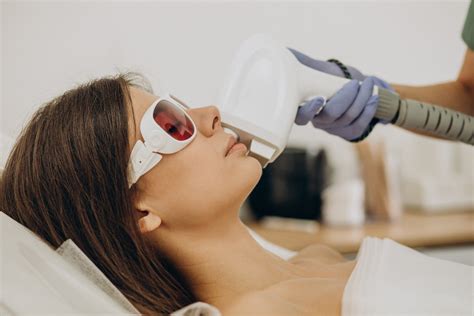
Laser hair reduction has become a popular choice for individuals seeking a long-term solution to unwanted body and facial hair. This non-invasive procedure utilizes concentrated light pulses to target and damage hair follicles, leading to a reduction in hair growth. While the treatment is generally safe and effective, understanding the process, benefits, and necessary precautions is essential for optimal results.
How Laser Hair Reduction Works
Laser hair reduction operates on the principle of selective photothermolysis, where specific wavelengths of light are absorbed by the pigment (melanin) in hair follicles. The absorbed light energy is converted into heat, damaging the follicle and inhibiting future hair growth. Different types of lasers are used based on skin type and hair color, including Alexandrite, Diode, and Nd
lasers. The choice of laser affects the treatment’s effectiveness and safety profile.
Efficacy of Laser Hair Reduction
Clinical studies have demonstrated varying degrees of success with different laser types:
- Alexandrite Laser: Offers long-term hair reduction ranging from 35% to 84.25%, with higher efficacy observed in areas like the legs.
- Diode Laser: Provides average hair reductions of 59.7% to 70% in the short term and 32.5% to 69.2% in the long term.
- Nd:YAG Laser: Achieves long-term hair reduction between 30% and 73.61%, particularly effective for individuals with darker skin tones.
Intense Pulsed Light (IPL) devices, while effective, typically result in lower long-term hair reduction compared to lasers, ranging from 27% to 52.7%.
Safety Considerations and Side Effects
While laser hair reduction is generally safe, potential side effects may occur, including:
- Skin Irritation: Temporary redness, swelling, or a mild sunburn-like sensation.
- Pigmentation Changes: Hypopigmentation (light spots) or hyperpigmentation (dark spots), especially in individuals with darker skin tones.
- Blistering or Scabbing: Rare but possible, particularly if post-treatment care instructions are not followed.
To minimize risks, it’s crucial to have the procedure performed by a trained and experienced professional who can tailor the treatment to your specific skin and hair type.
Pre- and Post-Treatment Care
Proper care before and after treatment enhances safety and effectiveness:
Pre-Treatment:
- Avoid sun exposure and tanning for at least 4–6 weeks prior to treatment.
- Shave the treatment area 24–48 hours before the session; do not wax or pluck, as these methods remove the hair follicle.
- Refrain from using depilatory creams or other hair removal methods for at least 4 weeks before treatment.
Post-Treatment:
- Apply sunscreen with SPF 30 or higher to protect the treated area from sun exposure.
- Avoid hot showers, saunas, and strenuous exercise for 24–48 hours to reduce the risk of irritation.
- Do not pick or scratch the treated area to prevent scarring or infection.
Conclusion
Laser hair reduction offers a safe and effective solution for long-term hair removal. By understanding the procedure, selecting the appropriate laser type, and adhering to proper pre- and post-treatment care, individuals can achieve optimal results. Always consult with a qualified professional to determine the best approach tailored to your specific needs.
References
- American Academy of Dermatology. (n.d.). Laser hair removal: FAQs. Retrieved from https://www.aad.org/public/cosmetic/hair-removal/laser-hair-removal-faqs
- Krasniqi, V., et al. (2022). Efficacy of lasers and light sources in long-term hair reduction. Journal of Cosmetic and Laser Therapy, 24(2), 1–8. https://doi.org/10.1080/14764172.2022.2075899
- Altru Health System. (2024). Pre and post procedure guidelines for laser hair reduction. Retrieved from https://www.altru.org/sites/default/files/2024-02/6428-0020.pdf
- Healthline. (2019). How to properly care for your skin after laser hair removal. Retrieved from https://www.healthline.com/health/beauty-skin-care/laser-hair-removal-aftercare
- American Academy of Dermatology. (n.d.). Laser hair removal: FAQs. Retrieved from https://www.aad.org/public/cosmetic/hair-removal/laser-hair-removal-faqs

